Building and architecting software systems in Alpharetta, Georgia.
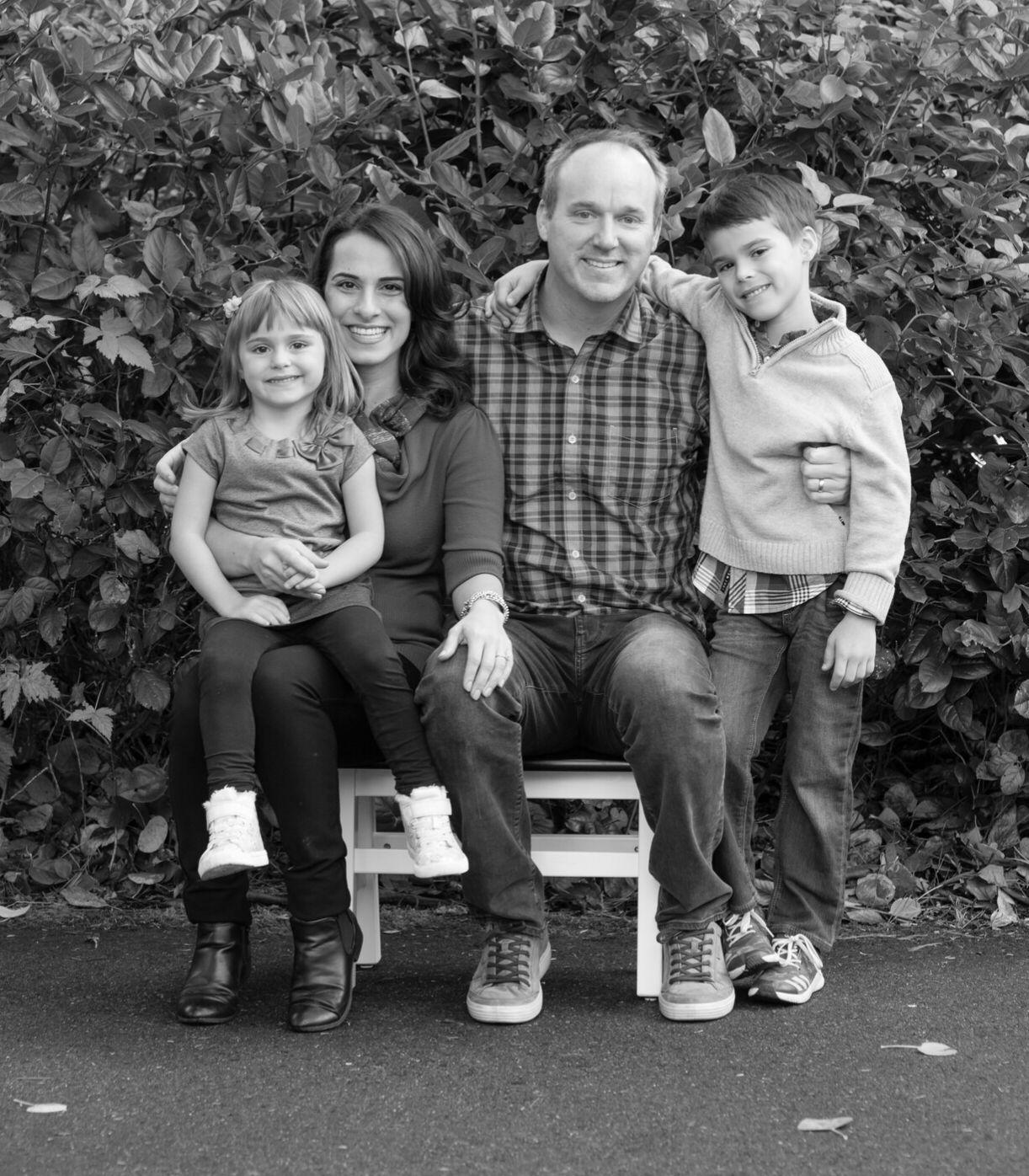
I'm Mark Holton, a software architect with over 25 years building production software systems.
A brief introduction in my own voice — who I am, what I've worked on, and the kinds of systems I've spent the last decade building.
Prefer reading? The full story continues below.
For over a decade I worked as a software architect at Salesforce, where I helped design and build the platforms powering chatbots and event-driven systems at large scale. That work involved building distributed architectures capable of processing billions of events while remaining observable and maintainable in real production environments.
Over the course of my career, my work has spanned both large enterprises and early-stage startups. Working across that range shaped how I think about software: systems must be robust, understandable, and respectful of the people who depend on them.
Experience across organizations including


Experience Over Hype
You can't shortcut scar tissue.
Years of seeing systems fail, succeed, and evolve sharpen your instinct for what actually creates durable value.
Much of modern software development chases novelty or short-term velocity. My bias is toward systems that remain understandable as they grow — architecture that makes systems easier to reason about over time, not harder.
Whether working inside a large enterprise or with a small startup team, the goal is the same: build software that compounds in value rather than collapsing under its own complexity.
How I Work Today
Today I run Nora Foundry, an independent architecture practice.
I work with founders and engineering teams navigating complex systems problems — distributed architectures, event-driven platforms, and AI-driven applications moving from prototype to production.
Engagements vary from architecture reviews and technical due diligence to hands-on collaboration designing and stabilizing production systems. In every case, the focus is the same: helping teams design systems that remain calm and understandable under real-world load.
The Nora Foundry Philosophy
Alongside consulting work, I also build software tools through Nora Foundry.
The philosophy behind these products is simple: software should respect the people who use it. That means systems designed for durability, privacy, and long-term usefulness.
These projects also serve as a place to experiment with ideas and techniques that often show up later in production systems.